Why 2 Litres Dictates the Legal Threshold in Steam Engineering
Under European Directive 2014/68/EU (PED), equipment is categorised into risk brackets (SEP, Category I through IV) based on maximum allowable pressure (PS), design temperature (TS), and internal volume (V) of the heat exchanger.
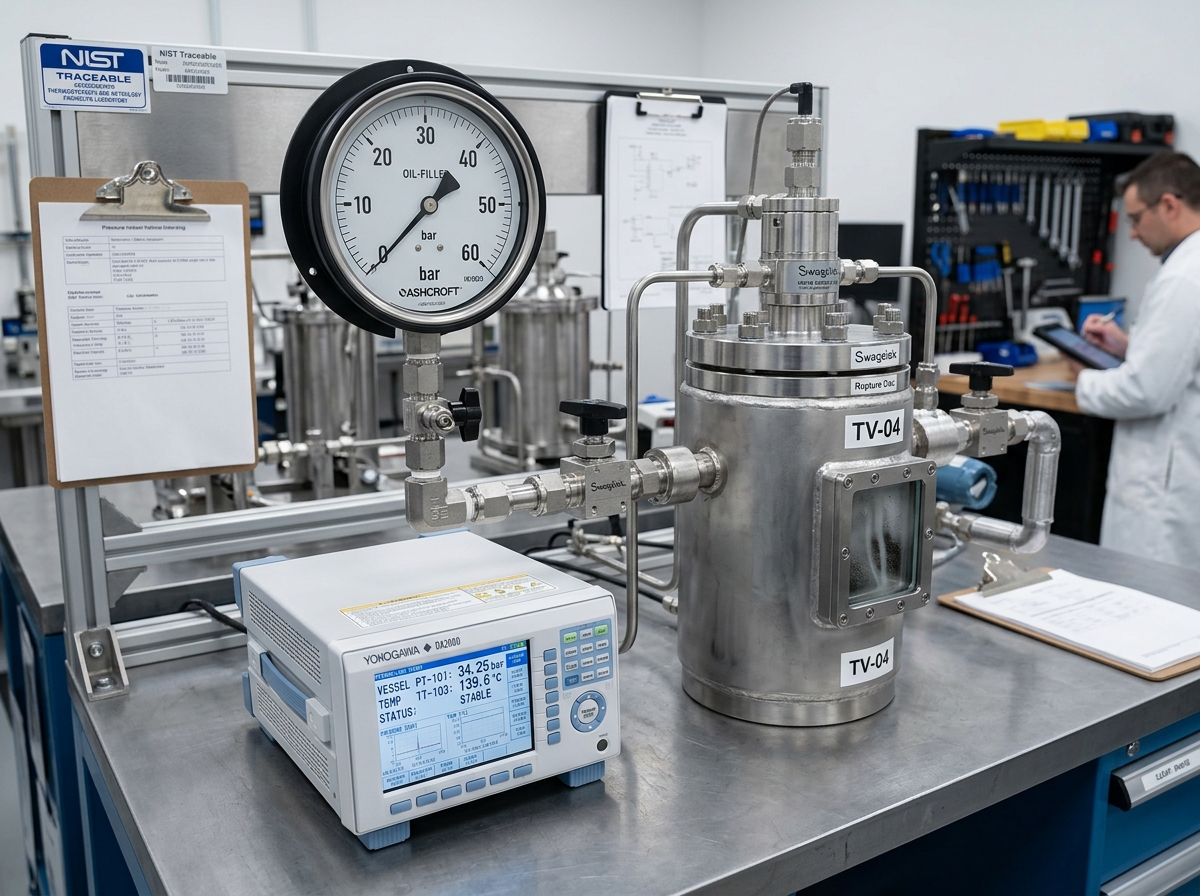
The Physics of Superheated Water & Flashing
When water is enclosed under high operational pressure (e.g., 200 bar), its boiling temperature rises well beyond 100 °C. If a rupture occurs, that pressure collapses immediately to atmospheric levels (1 bar). Superheated liquid instantaneously flashes into steam, expanding explosively by approximately 1,600 times its liquid volume.
With an internal volume strictly at or below 2 litres, total stored potential energy is physically limited by design. Potential catastrophic risk is eliminated at source. Above 2 litres, sudden decompression can yield destructive shockwaves and catastrophic scalding hazard for personnel.
Extreme Stored Energy Hazard
In case of coil burst, massive volumes of boiling steam discharge within milliseconds, generating a hazardous pressure shockwave and extreme thermal danger to nearby operators.
Inherently Safe Design (SEP)
Due to minimal liquid containment, total potential thermal energy is physically contained. Even in the event of rupture, instantaneous expansion remains minimal.
System A (≤ 2L SEP) versus System B (> 2L Category IV)
| Engineering Criterion | System A (≤ 2 Litres Volume) | System B (> 2 Litres Volume) |
|---|---|---|
| Physical principle | Micro-mass of superheated pressurized fluid | Large stored energetic fluid volume under pressure |
| PED Classification | Article 4(3) SEP (Sound Engineering Practice) | PED Category IV (Highest European Hazard Tier) |
| Energetic release hazard | Negligible blast energy in case of pipe failure | Potentially catastrophic blast & scalding hazard |
| Safety philosophy | Inherent safety: Risk eliminated at source (inherently safe by design) | Engineered mitigation: Heavy mitigation barriers (burst discs, relief valves, Notified Body audits) |
| Statutory inspection | Exempt from commissioning & statutory audits | Mandatory commissioning + biennial recertification |
The 3 Questions You Must Demand in Writing Before Ordering a Trailer
Never sign a delivery contract or lease agreement without obtaining written confirmation of these three engineering and legal parameters on the dealer's letterhead:
Water Volume of Burner/Heat Exchanger (V)
“What is the exact fluid volume of the burner/heat exchanger in litres? Is it strictly ≤ 2.0 litres (SEP) or > 2.0 litres (Category IV)?”
Commissioning & Audit Status
“Does this high-pressure trailer legally require an on-site pre-commissioning inspection before first field use, and what are the mandatory periodic recertification costs?”
Component & Hose Freedom
“Am I legally permitted to source certified universal replacement hoses and nozzles, or does non-OEM fitment instantly void the high-pressure trailer's assembly CE and insurance?”
What Does This Mean for Fleet Procurement?
Selecting an industrial steam assembly with an internal heat exchanger volume strictly ≤ 2 litres provides inherent physical safety. The machine cannot physically generate a catastrophic boiler explosion due to its low liquid mass. This completely eliminates recurrent downtime, costly third-party audit invoices, and statutory shutdown risks.